
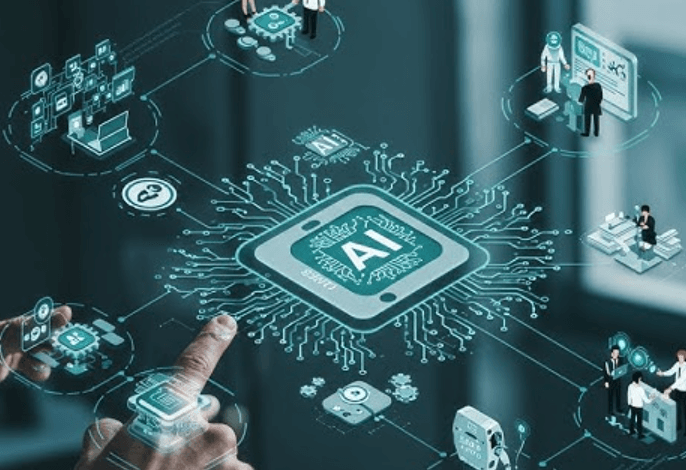
Artificial intelligence significantly influences employment dynamics by both generating new opportunities and displacing existing roles. Data indicates that AI-driven automation enhances productivity in manufacturing, healthcare, and finance, while also creating demand for specialized skills. However, this dual impact raises questions about workforce adaptation and economic stability. Understanding the balance between job creation and destruction is essential for developing effective policies, prompting ongoing analysis of AI’s long-term effects on employment landscapes.
How AI Drives Job Growth in Various Sectors
Artificial intelligence has emerged as a significant catalyst for job creation across multiple sectors, driven by its capacity to enhance productivity, optimize processes, and generate new market opportunities.
AI ethics and human-AI collaboration foster responsible innovation, enabling diverse roles that promote freedom through skill development. This synergy encourages sustainable growth, highlighting AI’s potential to expand employment opportunities responsibly.
See also: http://The Impact of AI in Personal Finance Management
The Automation of Routine Tasks and Its Effects
How has the automation of routine tasks affected workforce dynamics and productivity metrics? Data indicates increased efficiency but raises ethical considerations regarding job displacement.
This shift emphasizes the need for targeted skill development, ensuring workers adapt to evolving roles. Balancing technological progress with human-centric values remains essential to maintain workforce freedom and equitable growth.
New Roles and Opportunities Created by AI Innovation
While automation of routine tasks has optimized operational efficiency, AI-driven innovation has simultaneously catalyzed new roles emphasizing AI ethics and human-AI collaboration. These roles include AI ethicist, data steward, and collaborative interface designer, expanding opportunities for skilled professionals.
Such positions foster ethical AI deployment, empowering individuals to shape responsible, innovative solutions beyond traditional job boundaries.
Addressing Challenges: Workforce Adaptation and Economic Impact
The rapid integration of AI technologies into various industries presents significant challenges for workforce adaptation and economic stability. Reskilling initiatives are essential to promote economic resilience, enabling workers to transition into emerging roles.
Data indicates that proactive adaptation strategies mitigate unemployment risks, fostering a flexible labor market conducive to technological progress and individual freedom in career development.
Conclusion
Like the myth of Icarus, AI’s rapid advancement presents both soaring opportunities and potential pitfalls. While data indicates significant job creation in emerging sectors and improved productivity, automation continues to displace routine roles. Balancing innovation with responsible deployment and reskilling efforts is crucial for sustainable growth. Ultimately, understanding AI’s dual impact underscores the importance of strategic adaptation, ensuring society benefits from technological progress without succumbing to unintended consequences.